Our Story
Built by the village, shared with the village
The Pepper Cottage started as a simple idea: if tourists are coming to Wepathana, the people of Wepathana should be the ones who benefit.
The house
From Malika's garden to a storeroom, and back again
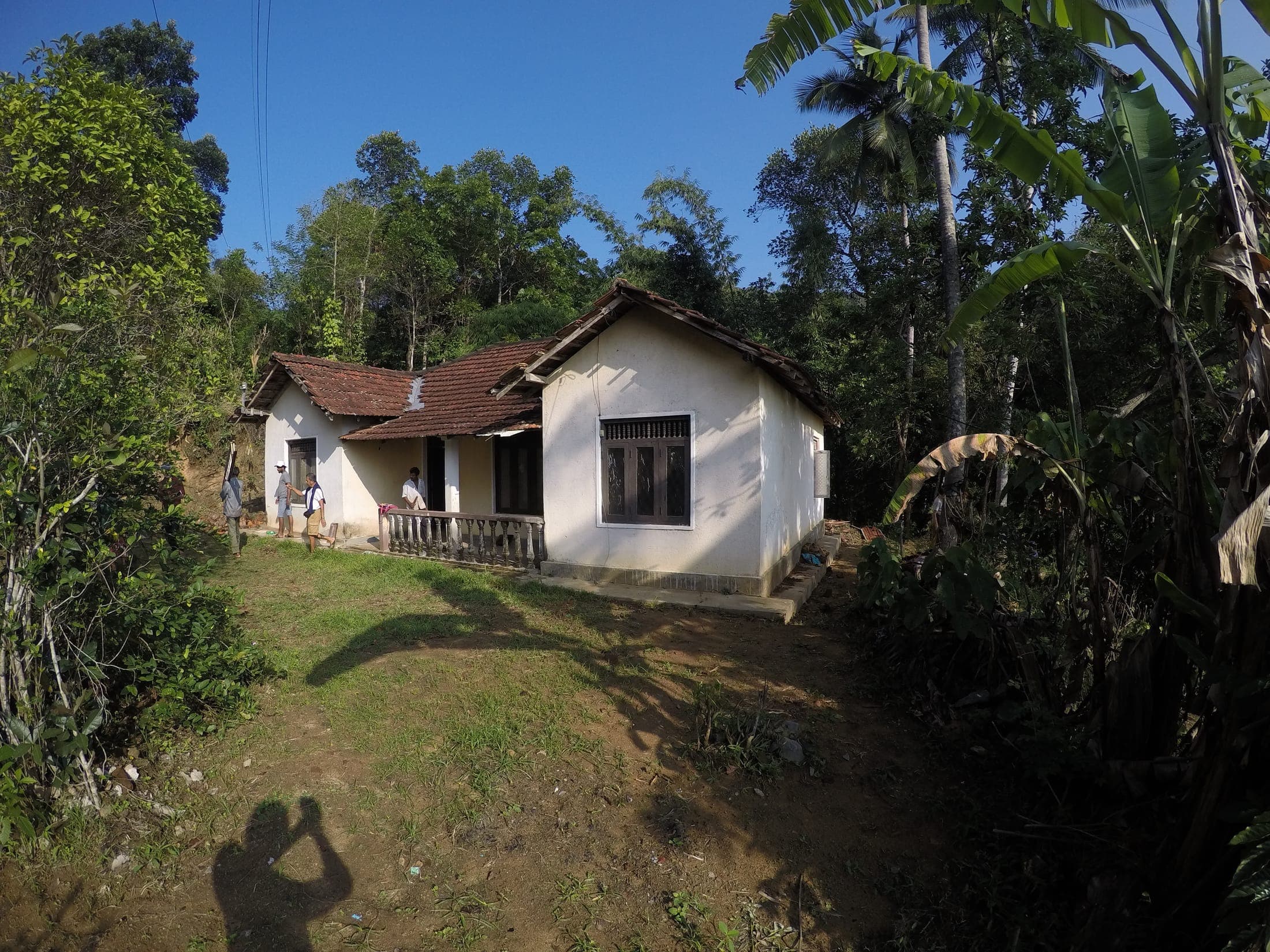
The cottage is a typical Sri Lankan village house, built around fifty years ago with square walls of rock fixed with mud. Over the years it gained a veranda and a bigger kitchen.
It was Malika's home. She must have loved plants, because she left behind a garden full of fruit trees and flowers. Her son moved to Kandy so his children could go to better schools, and the house slowly fell into disuse, ending up as a store for coconuts, fruit and pepper.
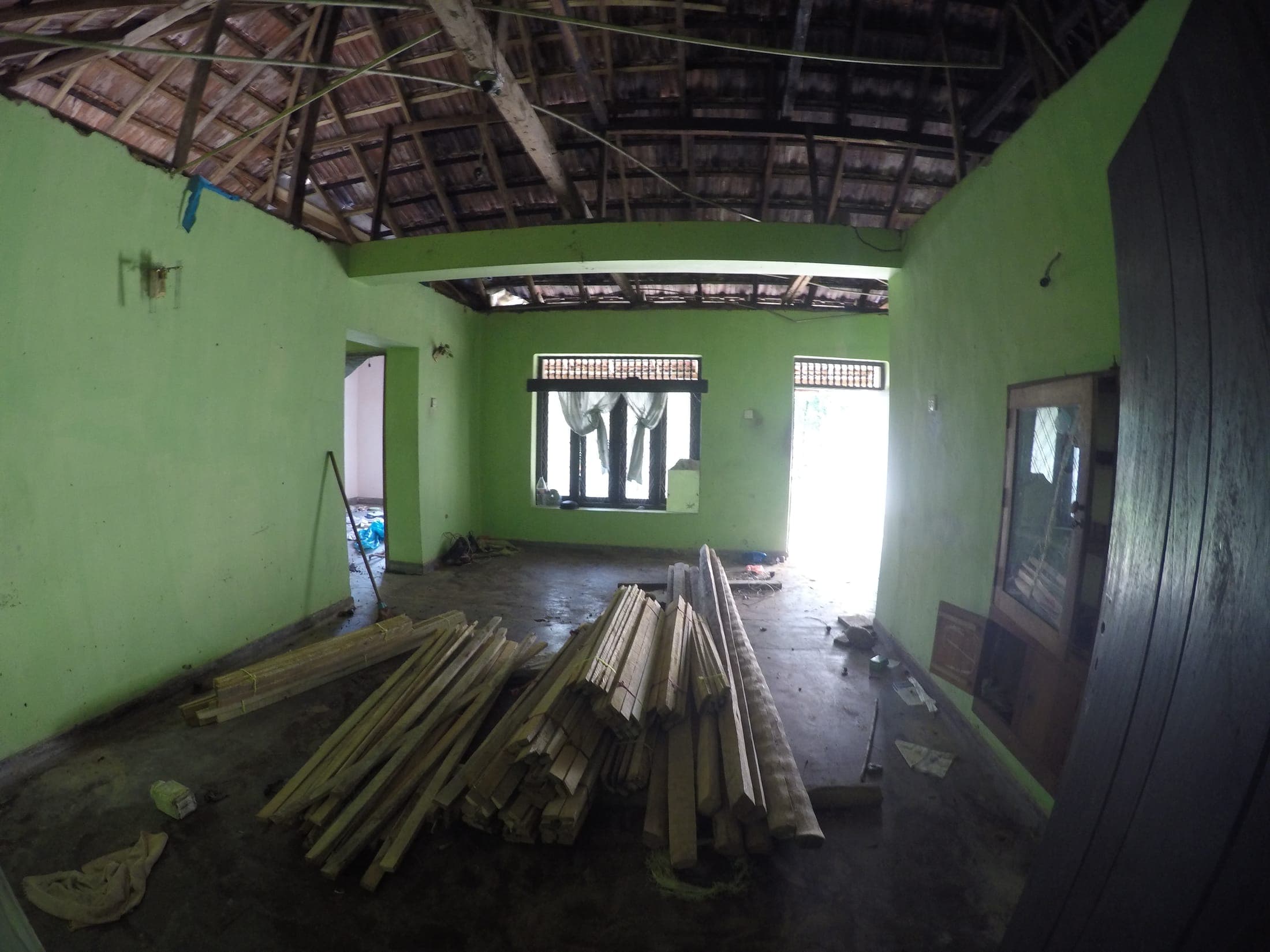
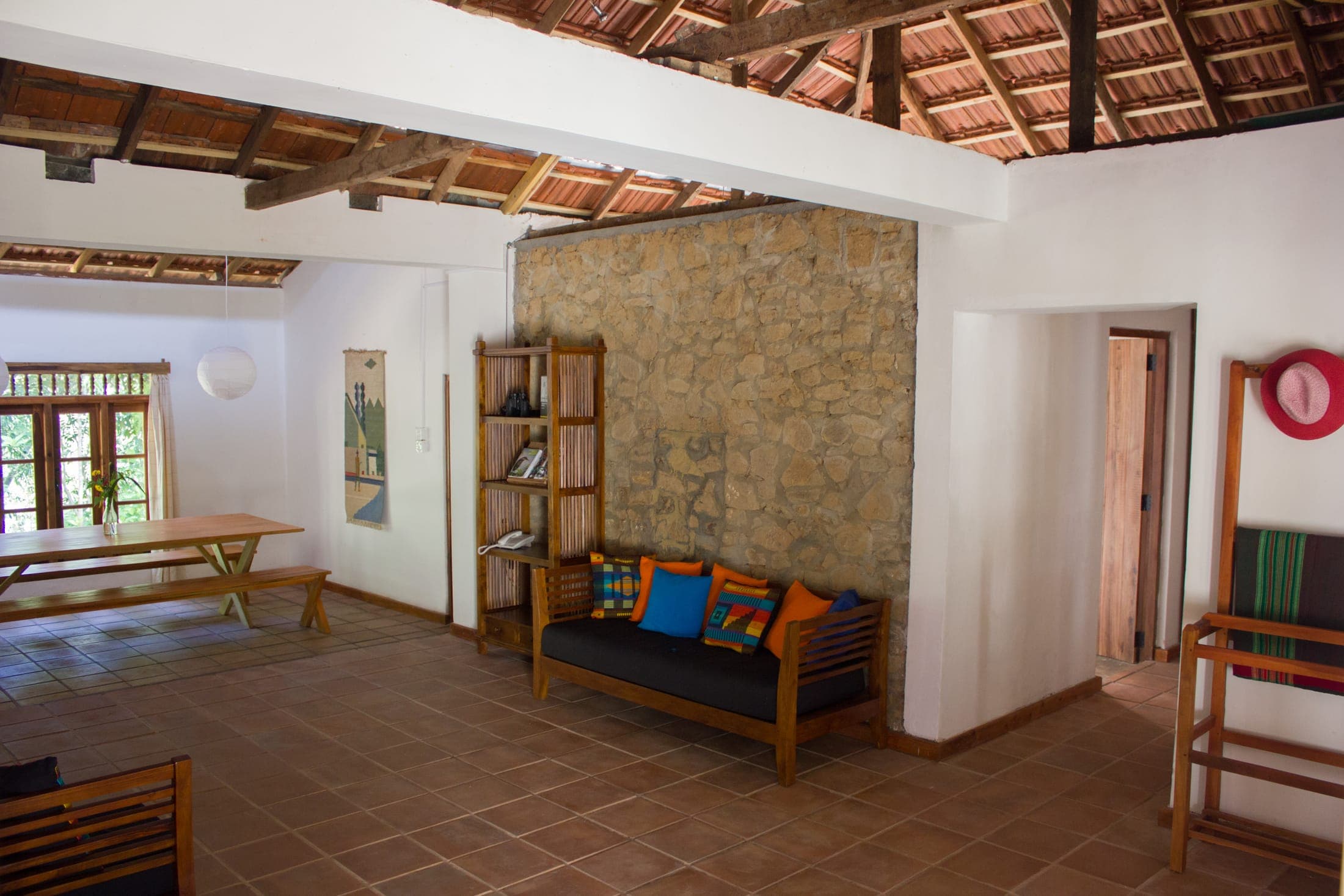
That's how Marga and Nihal found it in 2016. They bought it and, over the next year, turned it into The Pepper Cottage with the help of the neighbours.
The land
A paddy field that came with the house
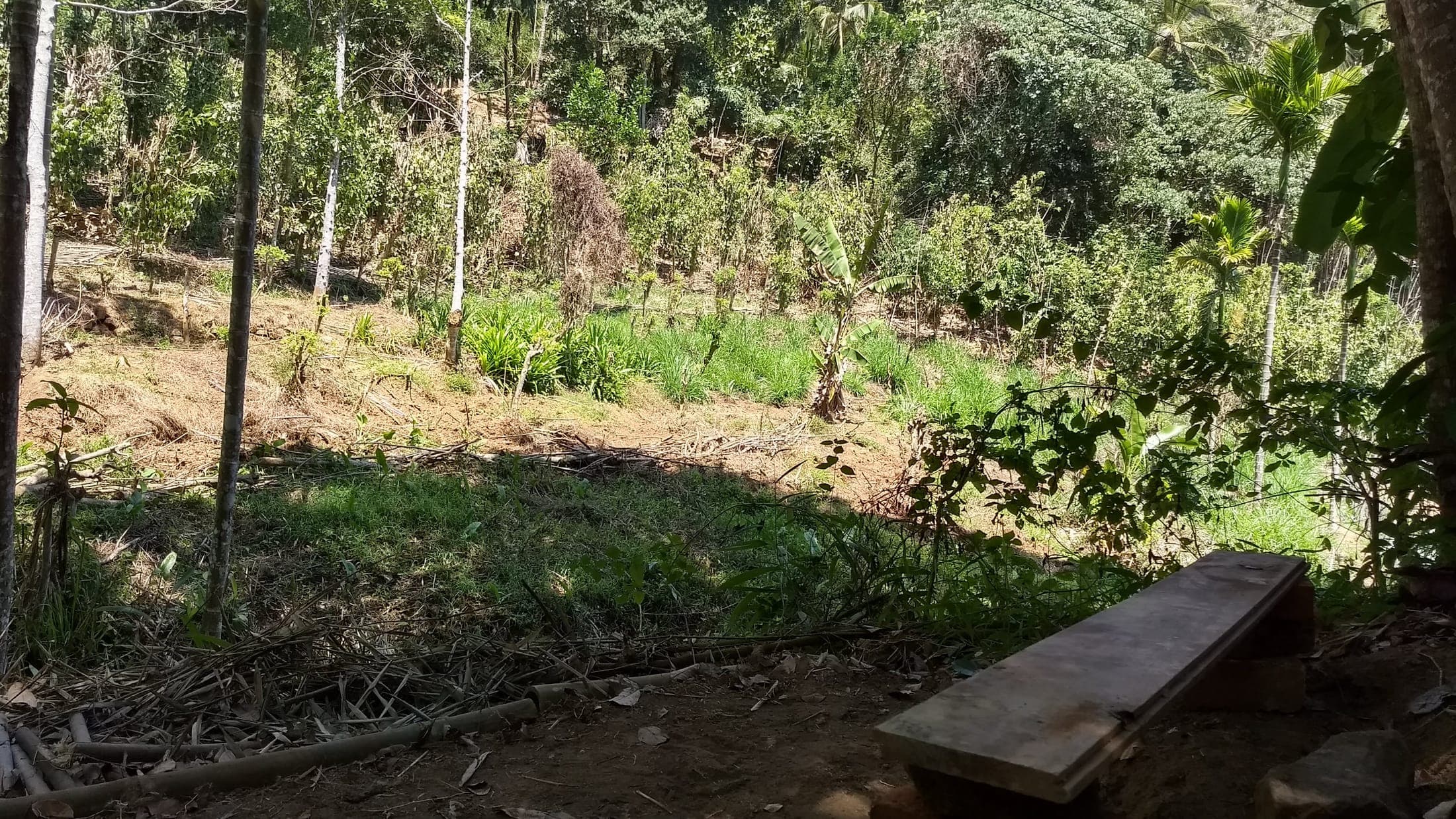
To everyone's surprise, the house came with a small estate: more than half an acre running north, with pepper in the upper part and old rice terraces below. A small creek, the Pita Ela, crosses the middle, and a two-metre well gives good water all year. Villagers drew from it until mains water reached the village.
In one corner the old threshing floor, the kamata, is still there. Because the field is registered as paddy, trees can't be planted on it, so with advice from the Agricultural Department we grow Ayurvedic herbs, spices and vegetables that like wet ground. Today the kamata is a quiet spot for yoga and meditation.
Seena's legacy
The farmer who shaped the land
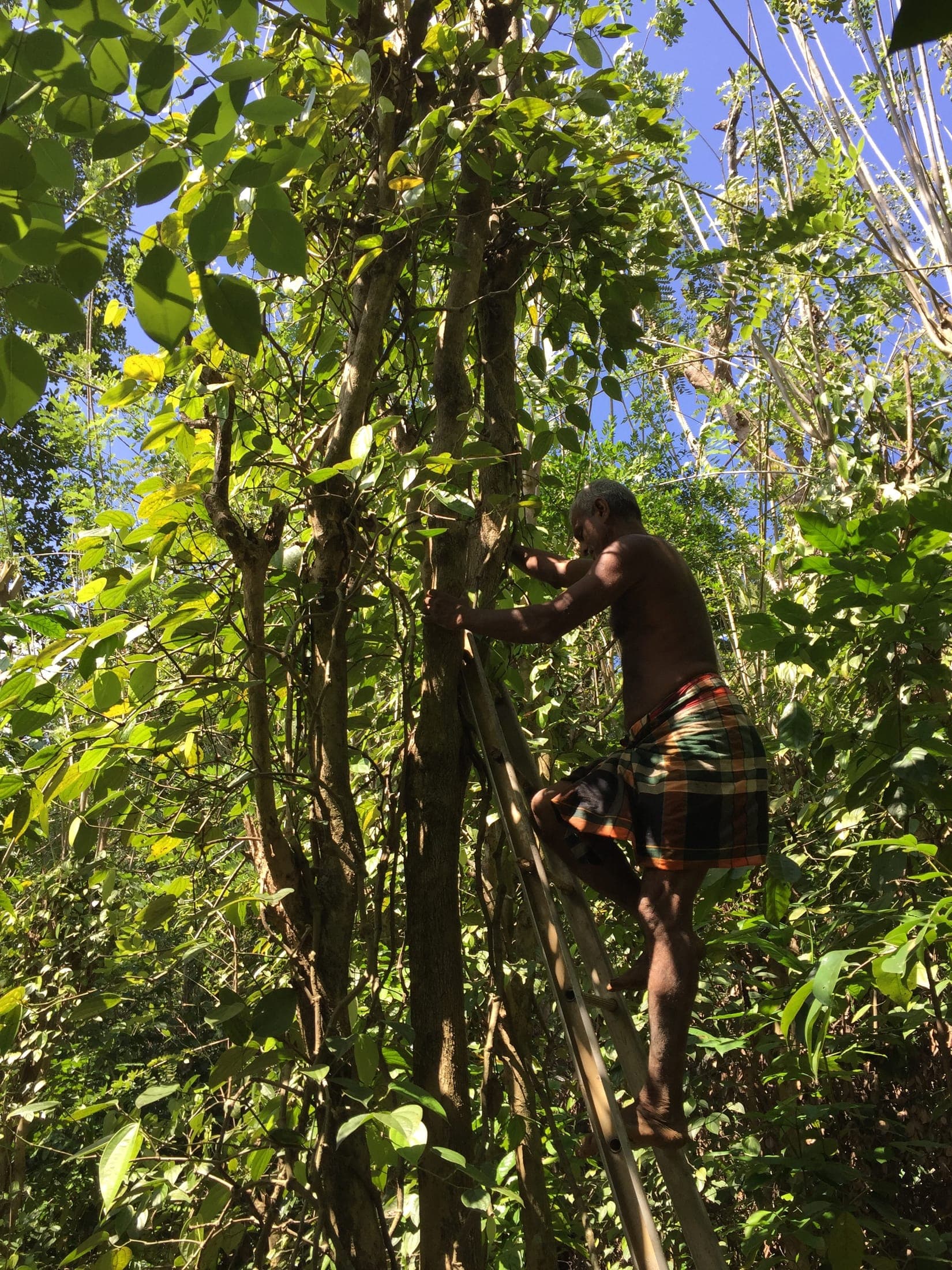
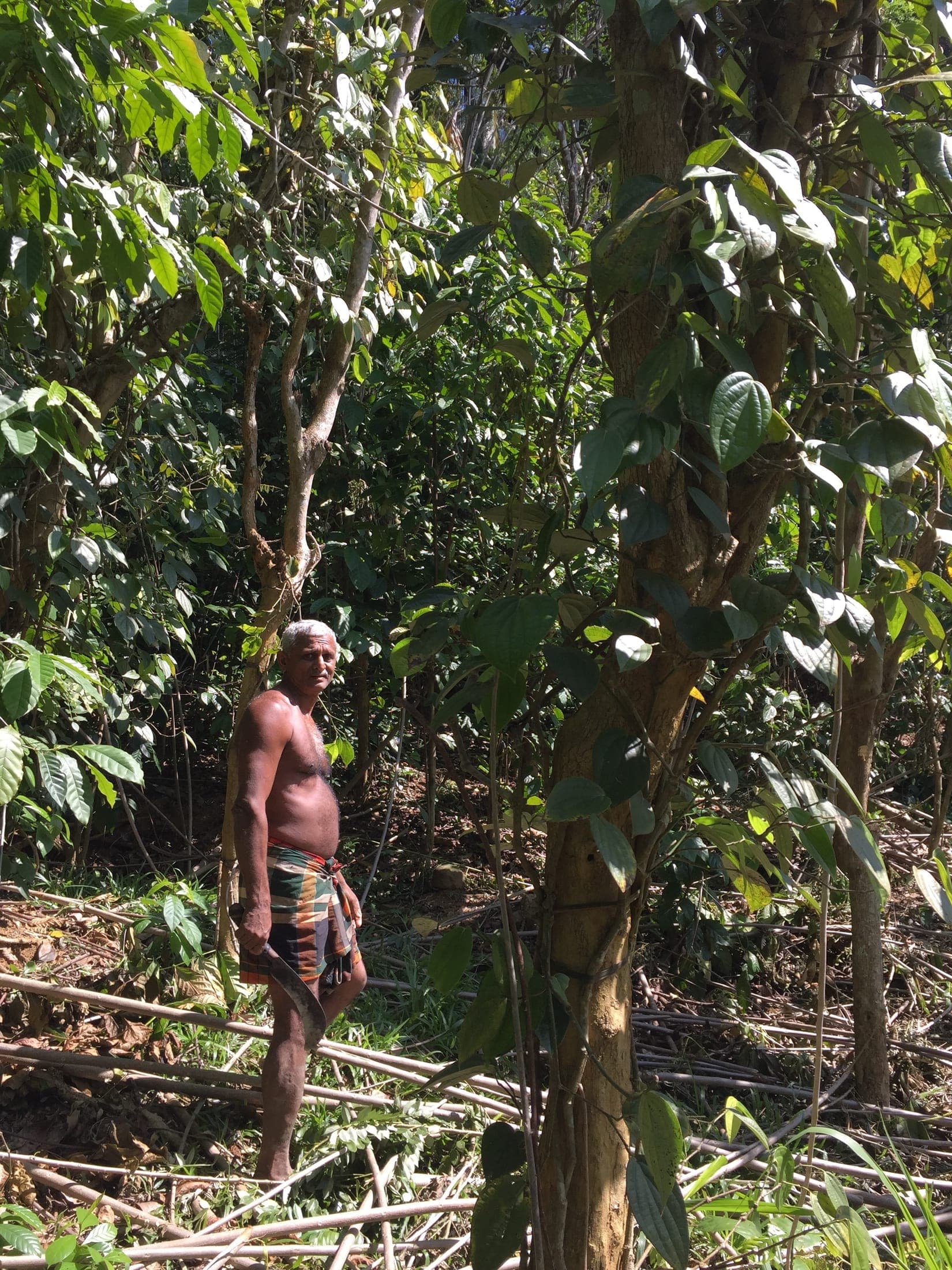
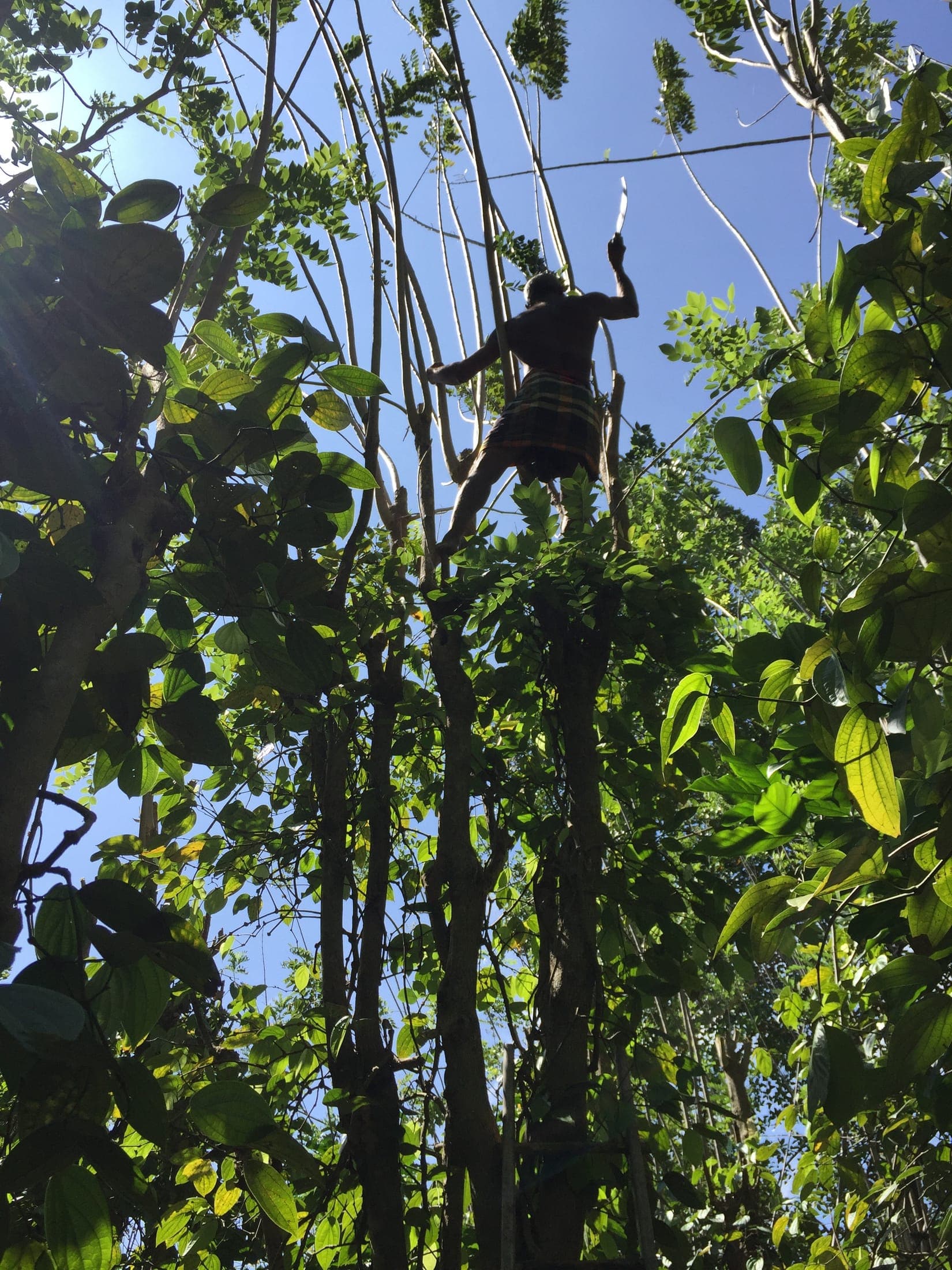
Since 2017 Seena has looked after the estate, and much of what you see outside is his work. He brought decades of experience with traditional farming, and a willingness to try new things when the old ones stopped working.
When the rains changed, he changed with them. Now he's pruning the gliricidia trees that hold up the pepper vines, so the plants get more light. He farms organically: no chemical fertiliser, no pesticides.
c. 1970
A village house of stone and mud goes up on Bodiya Road. It becomes Malika's home, and she fills the garden with fruit trees and flowers.
2016
Empty for years and used to store coconuts and pepper, the house is bought by Marga and Nihal. Renovation starts, done entirely by people from the village.
2017
Seena revives the old pepper plantation, reconnecting the land with what it grew for generations.
2018
Heavier rains make the lower field too wet for pepper. Seena tries traditional rice, then digs ponds for lilies and fish.
2024
Seena plants 200 cinnamon seedlings on the higher, drier ground.
How it works
Socially committed, ecologically responsible
Tourism is growing in Sri Lanka, and we think sharing what it earns with the people who live here is simply fair. This is how the cottage runs.
60%+ to the farmers
Neighbouring farmers manage the land and the crops, and keep more than 60% of the profit.
Built and kept by locals
Every renovation, big or small, and all the maintenance is done by people contracted from the village.
Food from next door
Meals are cooked by our neighbours. When you need a tuk-tuk, one of the young drivers from the area is there in minutes.
Sun-heated water
Hot water comes from a solar collector on the roof.
No plastic bottles
Drinking water comes from a good filter, not from bottles.
Waste sorted
Organic waste is buried on the land; bottles and other waste go to the recycling point in Digana.
The people
Some of the neighbours you'll meet
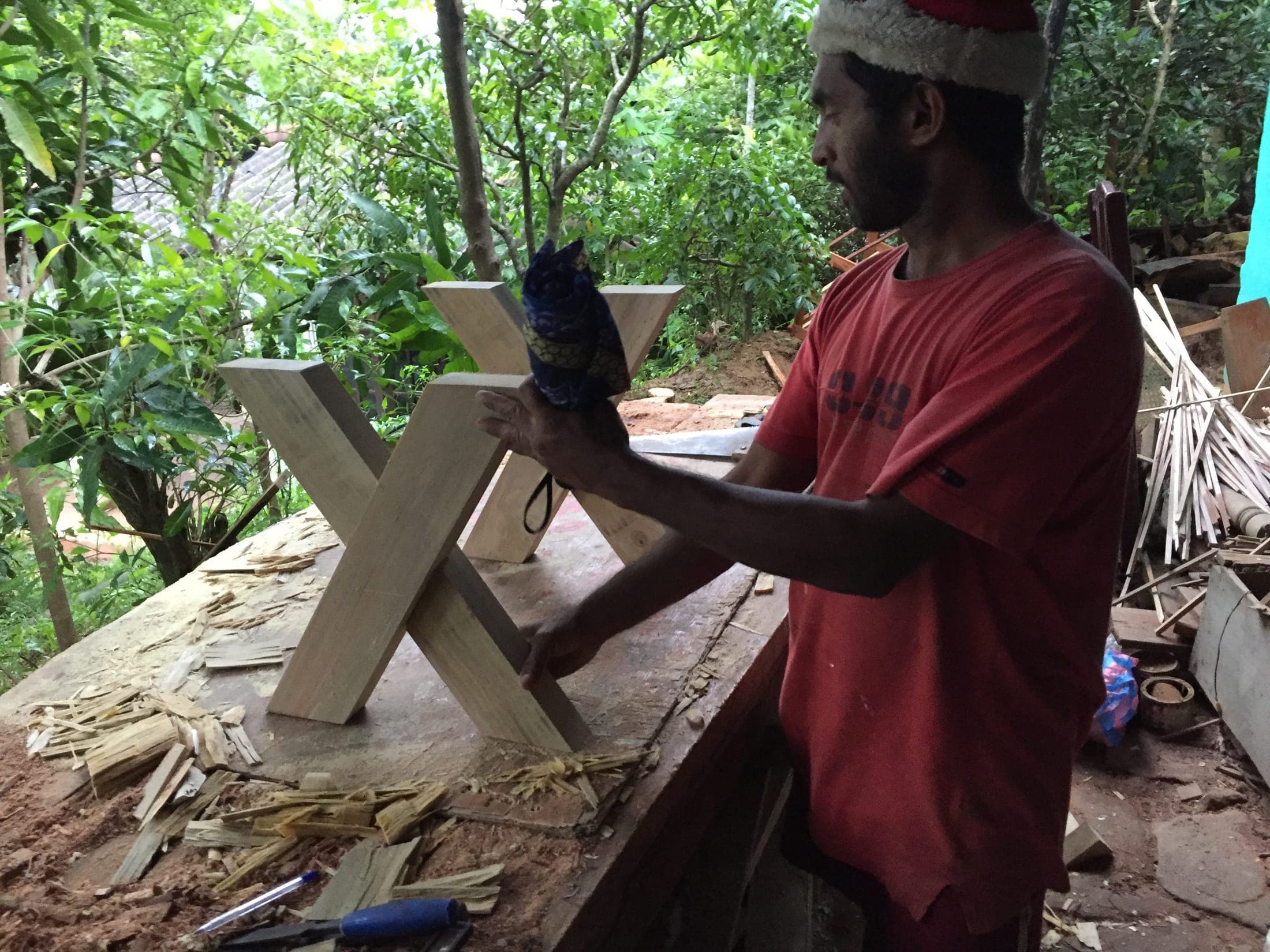
Rukman, the carpenter
Rukman lives in Wepathana with his son and mother, and chairs the village association. Most of the woodwork in the cottage is his, including the 210 cm beds. He sells wood carvings from his home workshop, and it's worth a visit.
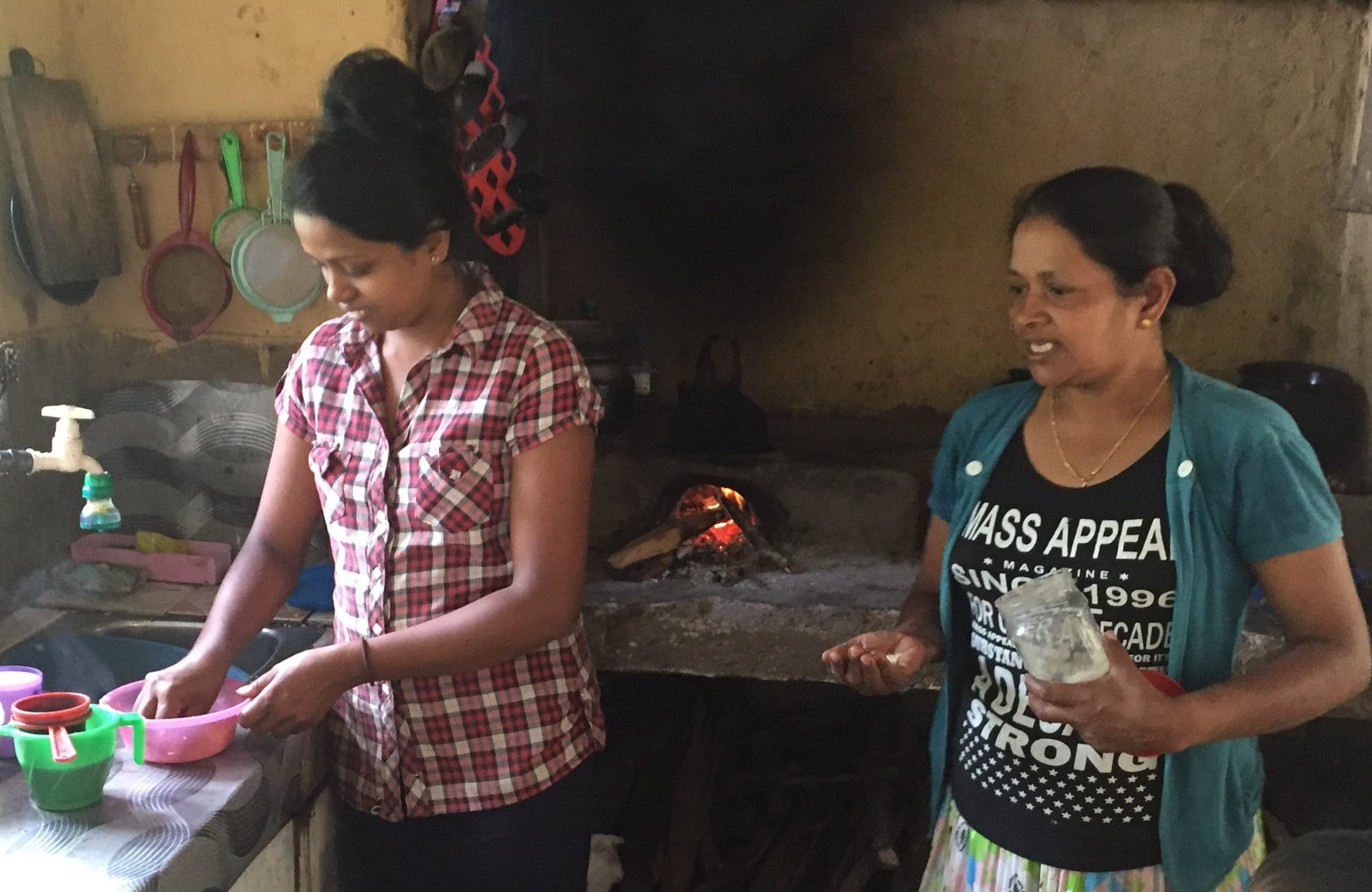
Sanduni & Piumi
Sanduni lives next door and looks after the cottage and its guests, with help from her sister Piumi. They cook most of the meals and keep the house clean, and they can book a massage therapist from the nearby Ayurvedic hospital or call a tuk-tuk driver for a tour or a hike.
Seena, the farmer
Seena and his son are active farmers. Seena looks after the pepper field and keeps the estate in good shape. Ask him to show you how pepper grows.
A short walk away you'll also find the government handloom mill weaving saris and tablecloths, a jeweller, women hand-weaving baskets and mats, a family making jams and sweets from nutmeg, and a seamstress who'll stitch you a shirt.
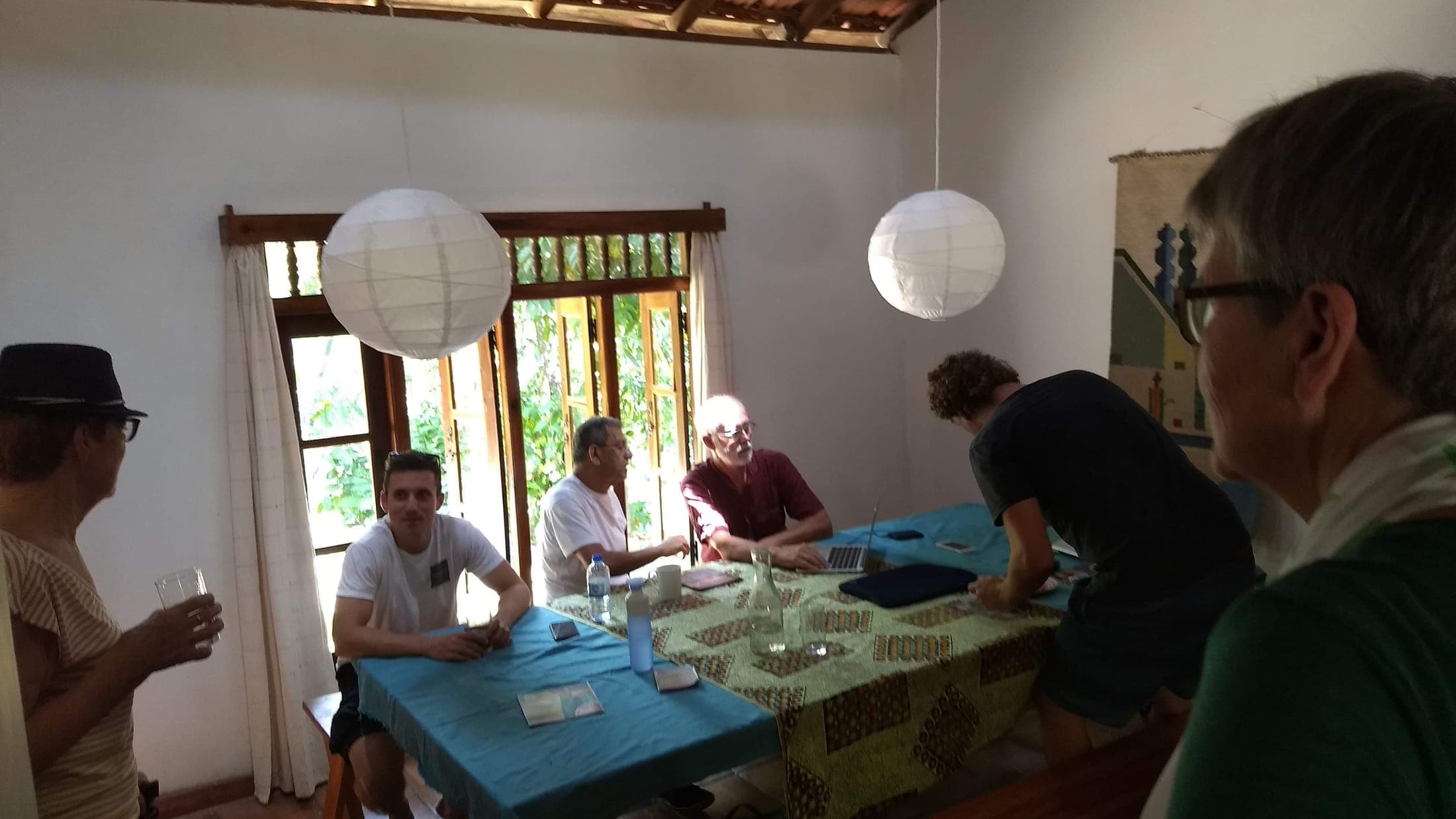
Come and be part of the village for a while
Tell us your dates and we'll reply within 24 hours. You'll never pay more than on Booking.com or Airbnb, and you can ask for the whole cottage, meals or a guided hike before you arrive.
Whole cottage from $120 a night, rooms from $35, breakfast included.
Rated 9.4 out of 10, SuperbGuest rating on Booking.com